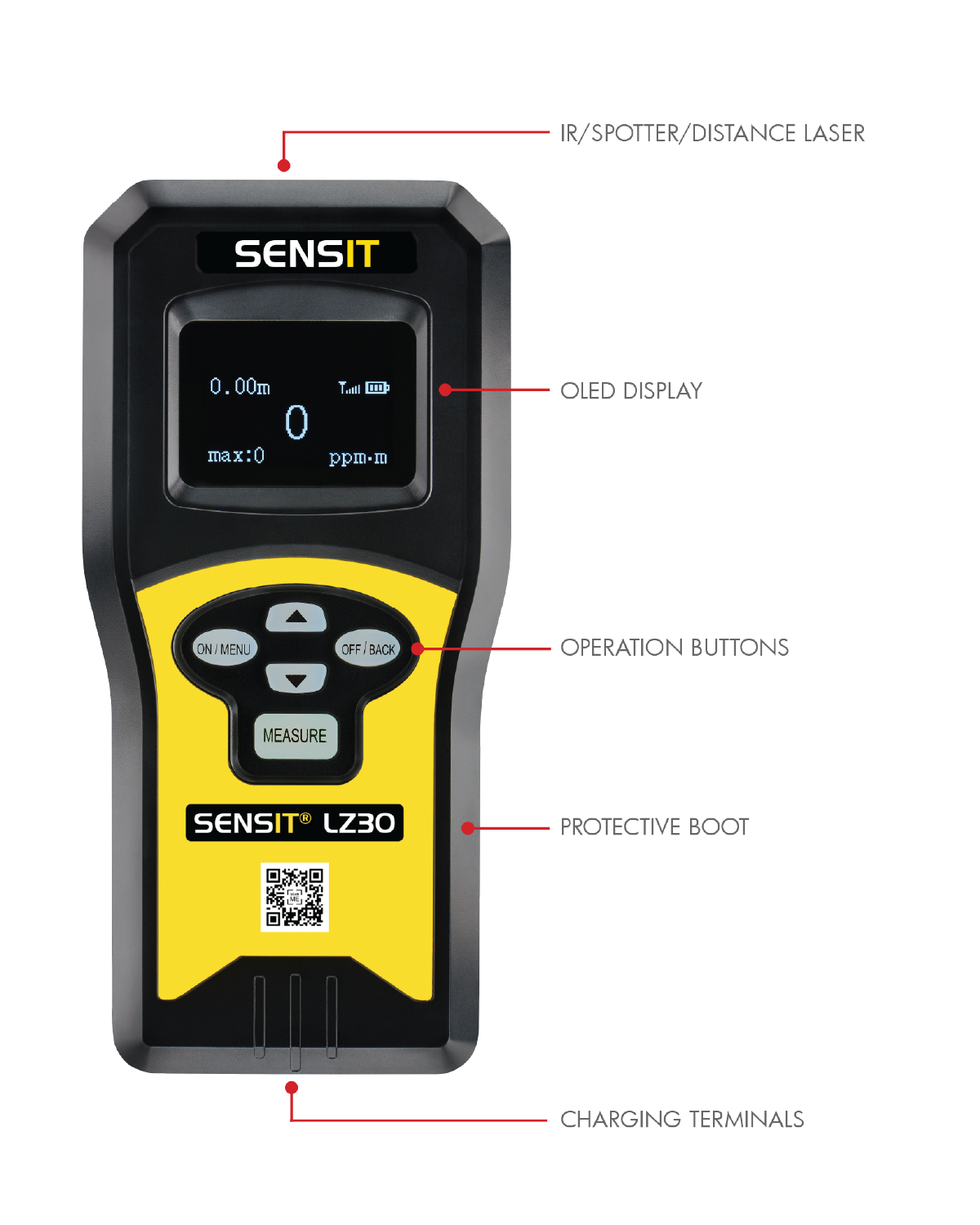
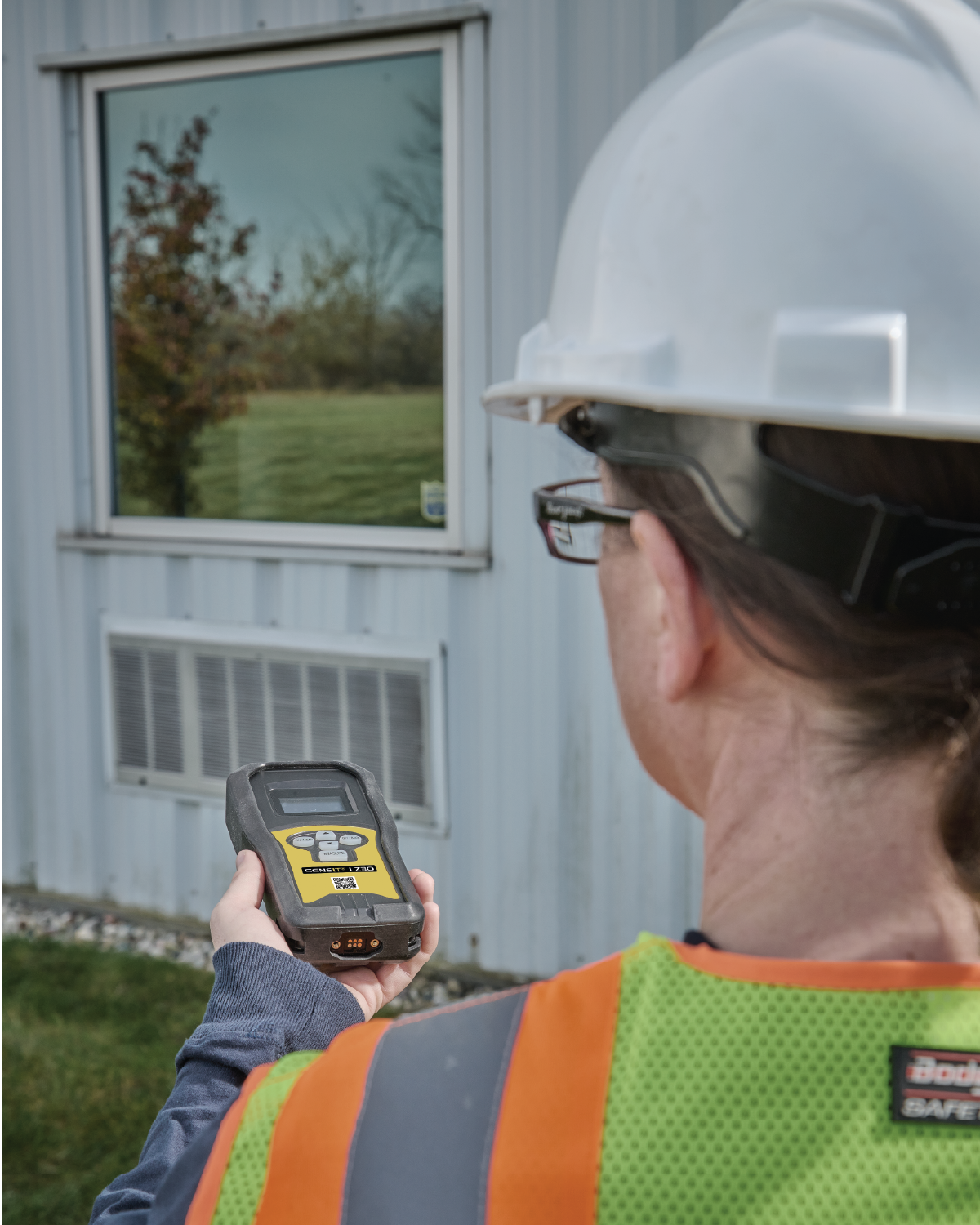
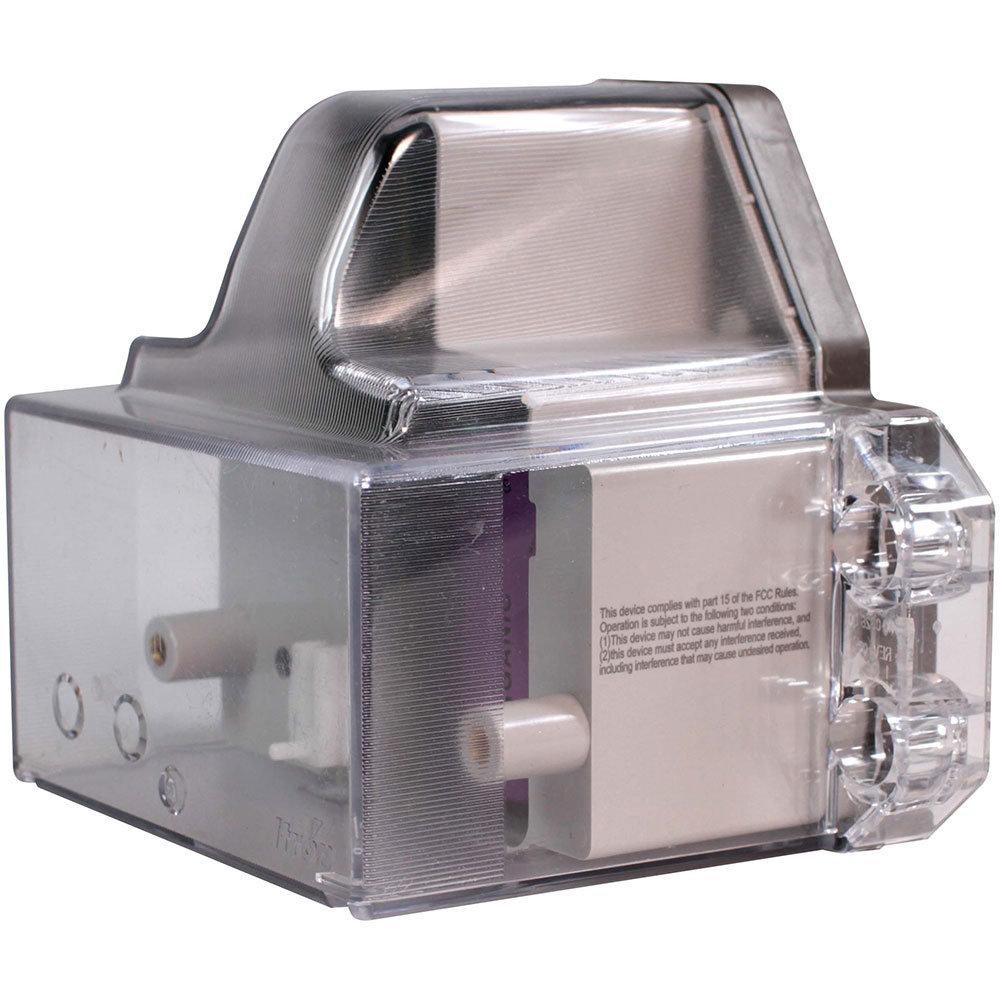
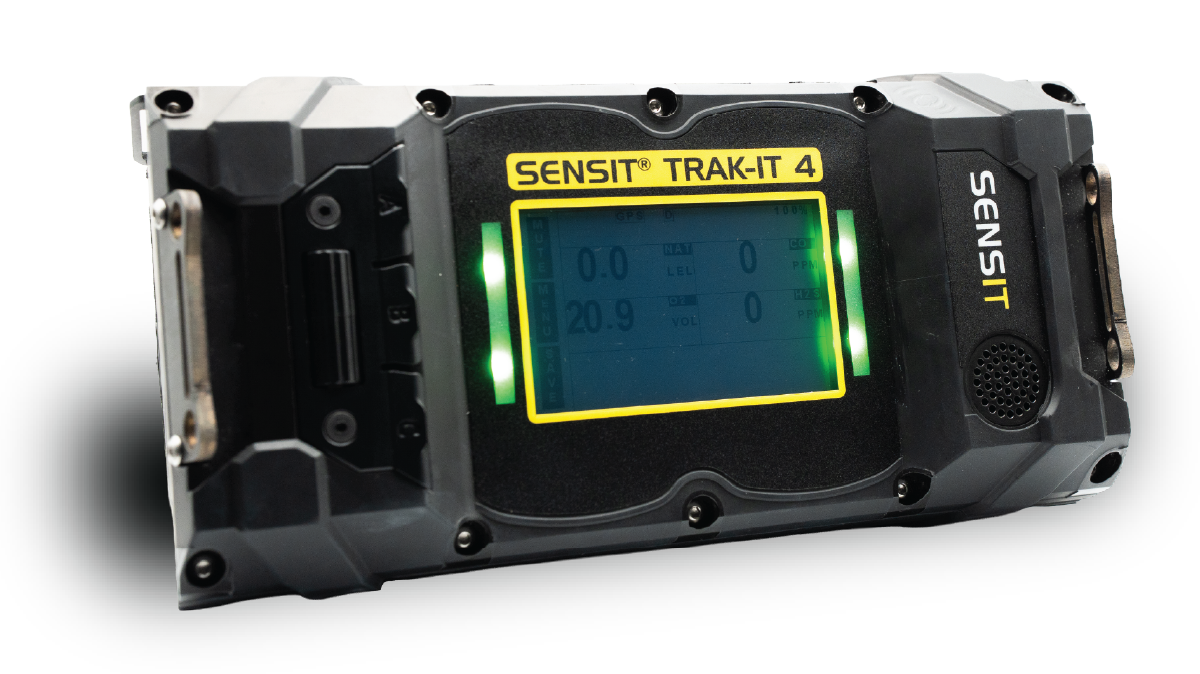
The SENSIT LZ30 revolutionizes methane leak detection by allowing utility professionals, contractors, emergency responders, and industrial operators to locate methane leaks remotely without direct contact with the gas plume. Built with advanced laser-based sensing technology, the device identifies methane exclusively, reducing false positives from other gases.
Its lightweight, pocket-sized design improves mobility in the field while maintaining powerful detection capabilities. The LZ30 is well-suited for natural gas distribution systems, transmission infrastructure, industrial plants, and emergency response operations where safe, rapid leak investigation is critical.
Bluetooth connectivity enables the collection and transfer of inspection data, including gas measurements, GPS coordinates, timestamps, and associated field documentation, improving reporting accuracy and operational efficiency.
How does the SENSIT LZ30 detect methane?
The LZ30 uses Tunable Diode Laser Absorption Spectroscopy (TDLAS), a highly selective laser-based technology that detects methane without responding to many other gases.
What is the maximum detection distance?
The unit can detect methane from distances up to 100 feet (30 meters), depending on environmental and reflective surface conditions.
Can the LZ30 detect gases other than methane?
No. The instrument is specifically designed for methane detection, helping reduce false alarms caused by other gases.
Is the device suitable for hazardous locations?
Yes. The LZ30 is certified as intrinsically safe and approved for use in designated hazardous environments.
Does the detector store inspection information?
When connected via Bluetooth, users can document readings along with GPS coordinates, timestamps, and other inspection data using a compatible mobile device.
How long does the battery last?
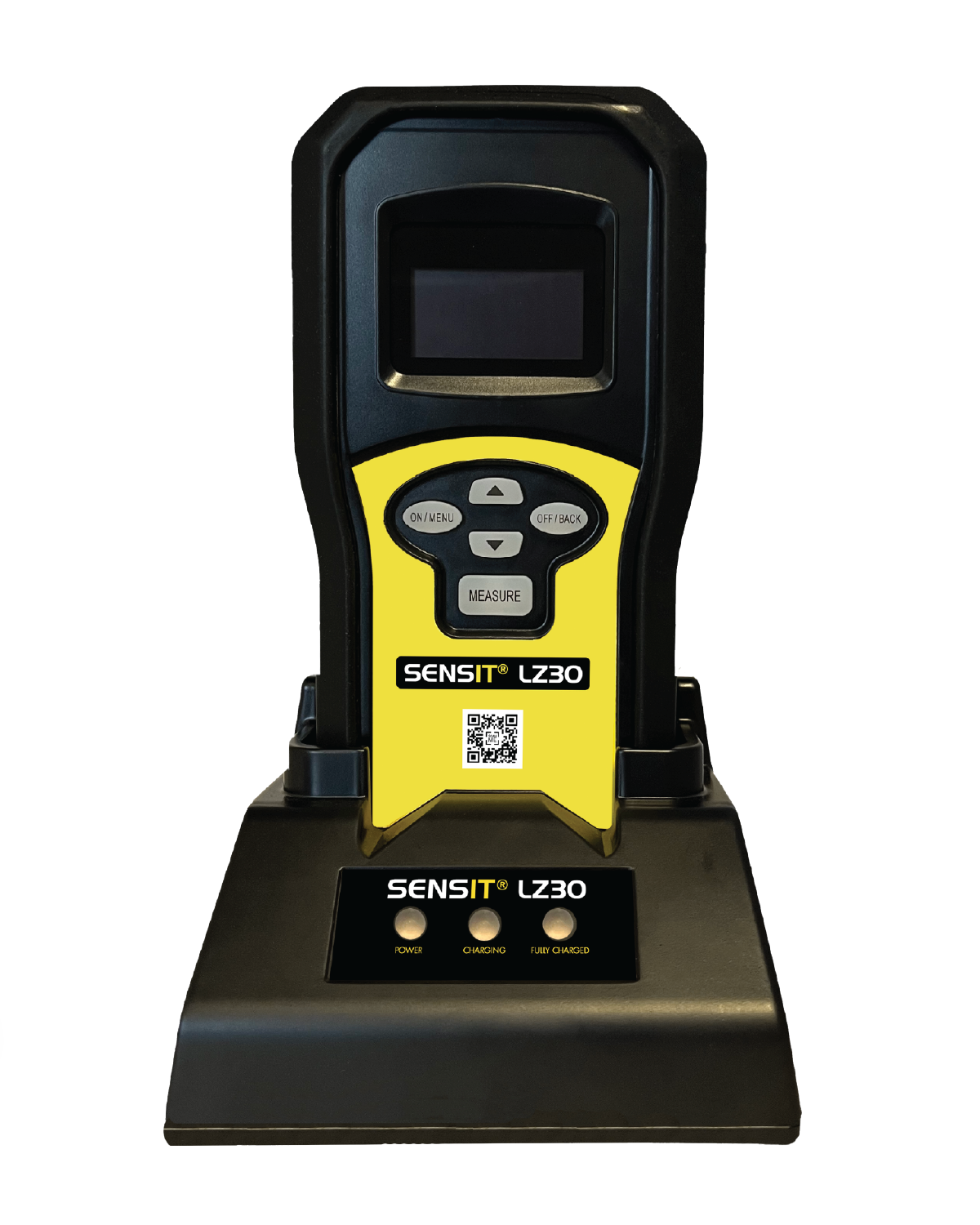
The rechargeable lithium-ion battery provides approximately 6.5 hours of continuous operation per charge.
What industries commonly use the LZ30?
Natural gas utilities, pipeline operators, municipalities, emergency responders, industrial facilities, and maintenance contractors frequently use the device.
What makes the LZ30 different from traditional gas detectors?
Unlike conventional contact-based detectors, the LZ30 enables remote methane detection from a safe distance, improving efficiency and reducing exposure risks.